


 Back
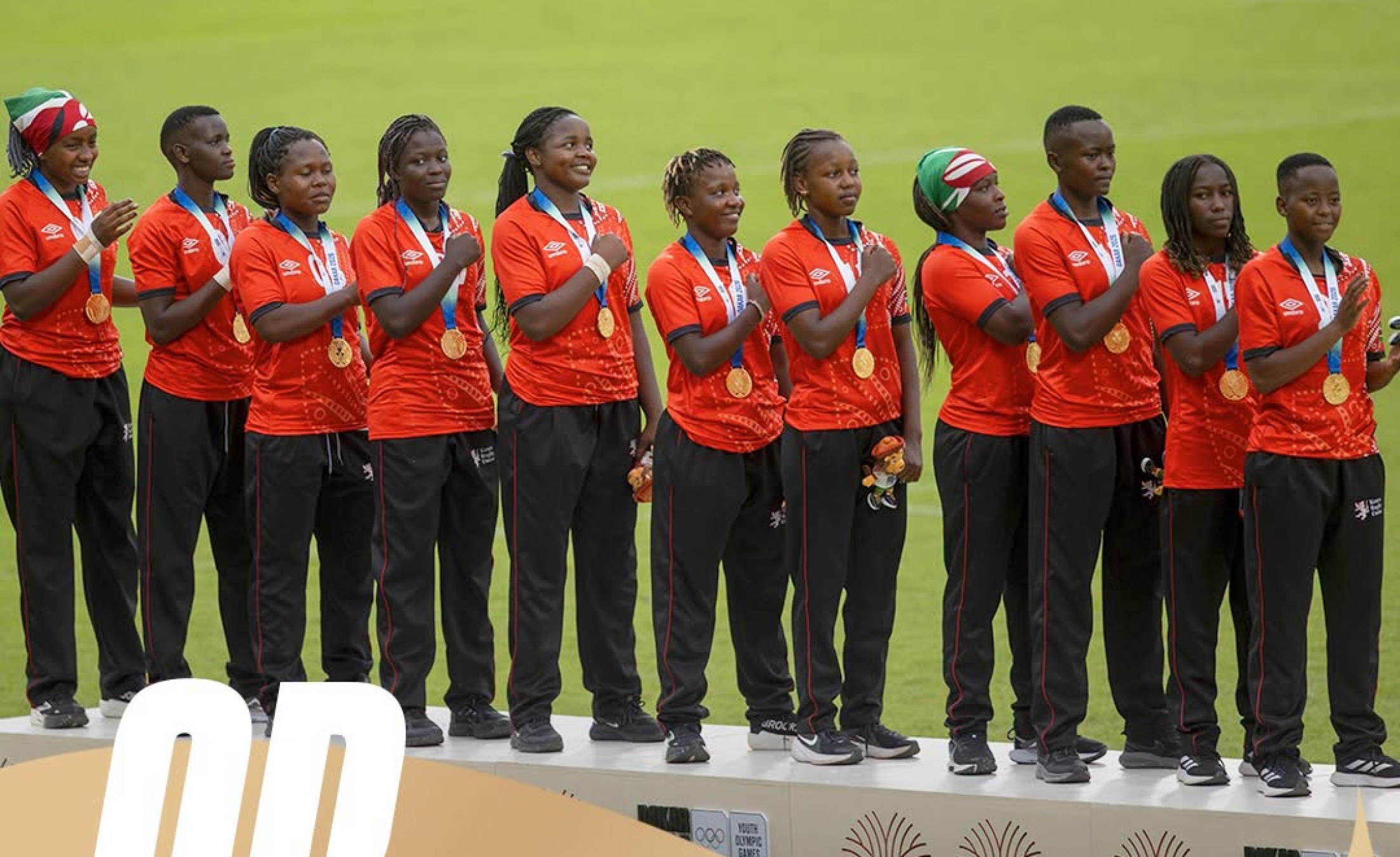
Dakar — African women's rugby made its mark at the Dakar 2026 Youth Olympic Games. At the Iba Mar Diop complex, Kenya secured gold after a spectacular final against Australia, while Madagascar took bronze. For Senegal, the host country, this first international experience opens new avenues for the development of the sport among young girls.
African women's rugby has reason to be ambitious. In Dakar, the young Kenyan women delivered one of the standout performances of the Youth Olympic Games' rugby sevens tournament, defeating Australia 17-12 in a final that went to extra time. This victory highlights the growing strength of women's rugby on the continent.
Trailing on the scoreboard, the Kenyan women found the strength to level the score (12-12) at the end of regulation time, before securing the victory with a decisive try in extra time. A hard-fought win, achieved through courage and determination, that rewards the journey of an ambitious team.
"We came here with one goal: to win gold. We came to represent Kenya," said captain Zain Hido, emotional after her team's victory.
Keep up with the latest headlines on WhatsApp | LinkedIn
Beyond the medal, this victory confirms the ability of young African players to compete with top-level opponents. It also sends an encouraging signal for a sport that seeks to expand its reach and increase its visibility across the continent.
Madagascar confirms its potential
Kenya was not the only African team to distinguish itself. Madagascar also achieved a remarkable performance by winning the bronze medal, confirming the potential of its new generation of players.
The Ladies Makis demonstrated consistency throughout the tournament, conceding only one defeat, against Kenya in the semi-final. This performance rewards their commitment and the efforts they made to reach this level of competition.
"This medal is for us, for our country! It's the first time for us, it's incredible," said Princia Ranaivoson, bursting with joy after this third place.
Behind this result lie weeks of preparation and the sacrifices of young female athletes forced to juggle training, studies and international ambitions.
Their coach, Dina Razafindratsara, praised the commitment of her players, whose journey testifies to the training work undertaken in Madagascar.
This bronze medal represents encouragement for Malagasy women's rugby and underlines the importance of continuing efforts in coaching, training and access to international competitions.
Senegal, a first to prepare the next generation
For Senegal, the tournament ended without a victory, but with important lessons learned. Finishing last in the standings, the Lionesses suffered a defeat against Spain (0-27), highlighting the experience gap that still separates them from some international teams.
But for this young team, the stakes went beyond sporting results. It was primarily about discovering the demands of international competition and gauging the road ahead.
"I'm proud of the girls. Today, the team represented our country well. They fought hard, even though they lacked experience," declared the national coach, Oumar Diop.
This participation is part of a dynamic of development of women's rugby in Senegal, in particular through the Rugby Rising Play program, supported by World Rugby to encourage the practice of this sport among young girls.
According to the coach, several players joined this initiative less than two years ago. Their participation in the Dakar 2026 Youth Olympic Games therefore represented their first experience at the highest international level.
"After the Youth Olympic Games, we will continue the work, keep this team, train it and always try to compete against the best. We still have a lot of work to do," he added.
For Senegalese rugby, the challenge now is to transform this first participation into a real dynamic of development, by multiplying opportunities for competition and consolidating training systems.
An African podium that brings hope for women's rugby
With two African nations on the podium, the Dakar 2026 women's rugby sevens tournament offers an encouraging illustration of the continent's sporting potential.
Kenya's victory and Madagascar's bronze medal demonstrate the progress made by some federations, while Senegal's participation highlights the challenges still faced by countries where the sport is still developing.
Beyond individual and collective performances, these results highlight the importance of investing in training, technical coaching, and access for young girls to sports infrastructure.
For African federations, the challenge now will be to capitalize on the visibility offered by these Games to strengthen talent identification, support, and competition programs.
In Dakar, young African rugby players will not only have played matches and won medals. They will also have helped to raise the profile of their sport and pave the way for a generation of athletes determined to advance women's rugby on the continent.
 Back
 Top
| Privacy Statement Terms of Service Contact |
Refresh

|
All the best breaking news stories from Apex Scores Lite. Optimised for feature phones and low end Android devices, Apex Scores Lite helps users with legacy devices and poor network connectivity access the latest football news and live scores. Particularly relevant for breaking football news in Nigeria, Kenya and South Africa.